03 When the Answers Fell Apart
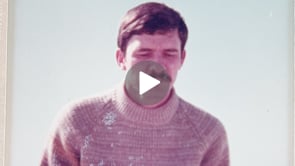
Grant reflects on a season of life when everything started to expand—his work, his mind, and his faith.
He describes painting houses for his father (a building contractor), mowing lawns for years, and how a lifelong love of maps shaped his identity early. Geography felt natural to him—he was already earning straight A’s in it through junior high and high school—and by graduation he had collected and cataloged hundreds of roadmaps.
When Grant enrolls at the University of South Florida, an early anthropology course changes his trajectory. Learning about evolution and human development plants a new seed: maybe life is bigger than the strict framework of his biblical upbringing. With doubts growing—about salvation, God, and how to reconcile faith with evidence—he decides to go to seminary hoping his questions will finally be answered.
At Southeastern Baptist Theological Seminary in Wake Forest, North Carolina, he finds conflict instead of clarity. One group of professors argues the Bible is figurative and historical, not literal. Another insists every “jot and tittle” is exactly true. Grant remembers the professors openly mocking each other in front of students.
He’s assigned to serve a small church in Warsaw, North Carolina. On his first Sunday night, he preaches a sermon titled “God is colorblind,” and it seems well received.
But two mornings later, in the middle of the night, Grant wakes to orange flickering outside his window. In the front yard is a burning cross.
The moment terrifies him and forces a reckoning. He begins to see a deeper duplicity in the community—public moral strictness paired with private behavior, and the realization that members of the congregation may be connected to the KKK. Grant returns home shaken and disillusioned, not abandoning spirituality, but choosing to step away from organized religion.
This chapter captures a turning point in Grant’s worldview—when curiosity became conviction, and when faith became something personal rather than institutional.